
Stand Up Paddleboarding: the Mind, Mood and Body Booster
For a relatively new watersport, stand-up paddleboarding (or SUP) is fast attracting a solid fan base.
With many enthusiasts sure it’ll soon become an Olympic sport and a global increase of participants every year since 2010; now’s the time to ask what the benefits of stand-up paddleboarding really are.
If you’re debating whether to get involved, read through our top pros of SUP and find out how America’s fastest growing outdoor sport could improve your lifestyle and even enhance your physical and mental health.
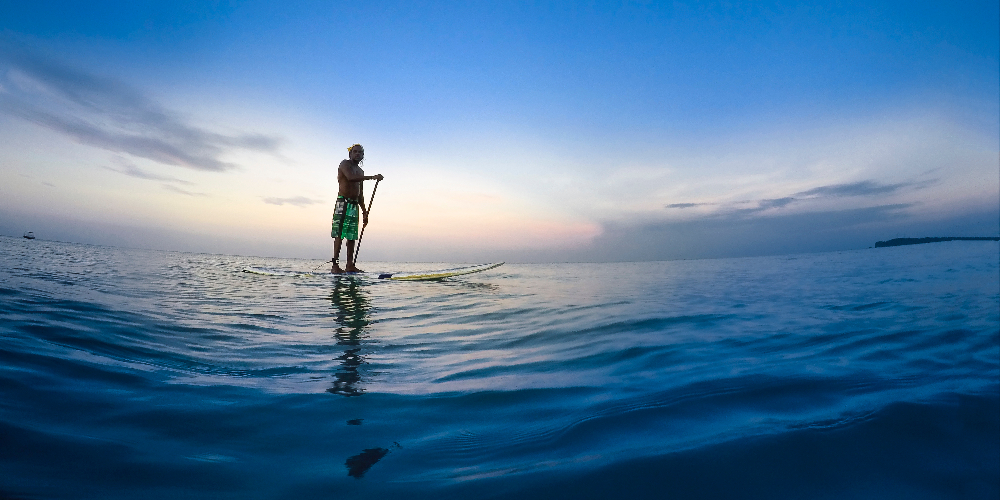
Easy to learn and master
Aside from the general body and mind benefits — which we’ll get to in a moment — one of the top reasons people take up stand-up paddleboarding is because it’s incredibly easy to learn.
On a SUP-only beach, you’d have extreme-sports junkies paddling out to catch the tallest waves; kids splashing around on a board near the sand; and senior citizens taking their time as they coast along the shoreline.
To put it simply, once you’ve got your balance standing up and honed the right stance and motion to propel yourself along, you’re pretty much set. You also have the option of starting off by sitting on the board until you get your confidence. Once you’re up, board speed and movement are easy to control due to the typical paddleboard design structure.
It’s also far easier to pull yourself onto a paddleboard if you fall off than it is to get back into an overturned kayak or heave yourself onto a surfboard in choppy seas.
Cost-effective
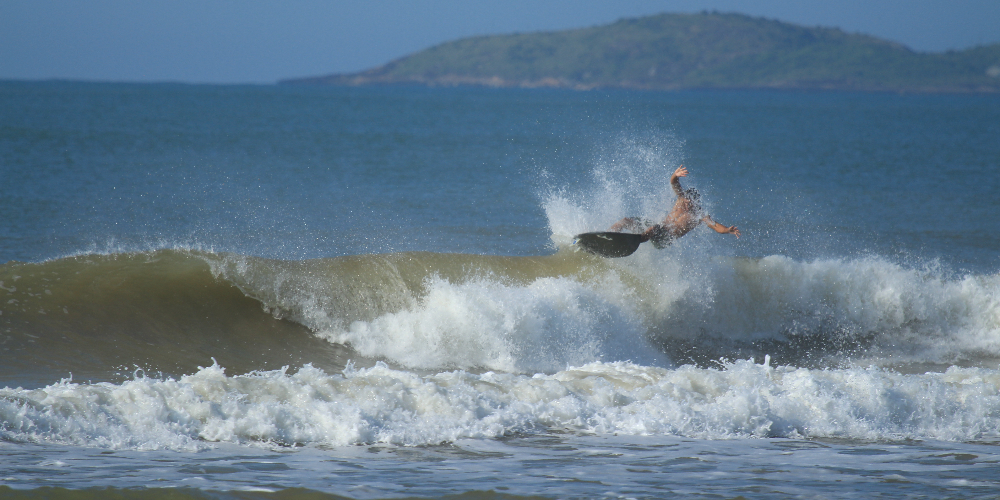
You generally need much less gear than many other watersports to take part in stand-up paddleboarding. Unlike kayaking where you might need extra equipment like spray decks, SUP kits are minimal and therefore cheaper. Just think: paddleboard, paddle and appropriate attire.
A sociable and solitary sport
SUP is one of those perfect sports where you can be as neighbourly or reclusive as you like. You can paddle alongside a friend one day, go it alone the next, and put your kids on the board with you the day after that. This versatility makes it a lot more exciting and opens up a host of different SUP-related experiences.
If you’re interested in the social side, many watersport venues host SUP races during summer and it’s even becoming a solid charity activity, too.

Enjoy it anywhere
Tying in with the social flexibility of stand-up paddleboarding, the sport is also equally malleable in the location category. Although, most of the pictures you’ve seen of people stand-up paddleboarding are probably taken on beaches, it’s just as good on lakes, rivers and canals.
Not only does this give you the option of trying different water environments, but it’s also handy if you live inland or want to test your skills somewhere quieter before taking your board to the beach.
Great cardio workout
Although it looks relaxed and easygoing, you actually get an incredible workout with stand-up paddleboarding. Doing just and hour of SUP eats up at least 400 calories — and that’s just if you’re taking it slow. If you’re going fast and chasing waves, you can really get your heart rate up, improve your lung capacity and boost your stamina.
With stand-up paddleboarding, you’ll also gradually build muscle due to the stance and paddle movement you adopt. This means you continue to burn fat even after you’ve come ashore. Losing weight and gaining muscle is great for your overall health, plus it should help with any back pain of muscle tension issues.
Leaner and stronger
While we’re on the subject of fitness, stand-up paddleboarding offers fantastic strength training, too — and not a dumbbell, fitness studio or full-length mirror in sight.
SUP is great for building lean muscle because you’re using your abs and legs to twist and stay upright, while making you arms move back and forth continuously to push yourself forward. With every stroke, this strengthens your core, limbs and shoulders. SUP is so low-impact that you don’t even realise you’re building muscle, which means your “workout session” lasts much longer than it would if you were lifting weights or using a treadmill in the gym.
Surfing alternative
If you want to get into surfing but need a bit of practice and confidence, stand-up paddleboarding lets you hone your skills before advancing to the trickier world of surfing. For surfers who live inland, SUP is also a perfect surfing substitute that lets you enjoy the water without having to travel to the coast.
Boost your balance
Since you need to stand upright to stay dry, your balancing skills are constantly called upon. You might not feel the undercurrent as you paddle, but it’s there. This gentle wobble means your body is working hard to stabilize your centre of gravity, which gently enhances your overall posture as you glide across the water. The result: toned muscles, improved pose and better sense of balance.

Easy on the muscles
If you’re after a watersport that isn’t too exhausting, stand-up paddleboarding is ideal. Compared to fast-turning kayaks, unstable surfboards and heavy family-sized canoes; stand-up paddleboards tend to take place on calmer waters and your body isn’t forced to contort and stretch as much to stay afloat. Luckily, this means minimal strain and less chance of damaging joints, tendons and ligaments.
Relaxing
Sailing, yachting and kayaking are nothing compared to the soothing sense of stand-up paddleboarding. With this sport, you feel like you’re walking on water and have the opportunity to really take in the calming movement of the tides and pretty coastlines around you.
Nature and exercise is a huge stress-reducer, and SUP gives you both in one. It’s an excellent way to get away and clear your mind, with many paddlers describing it as a form of meditation.
Activities like SUP release the ‘happy hormones’, like serotonin and endorphins. These have been proven to improve sleeping patterns, boost mood and alleviate stress levels. Plus, studies have shown that the psychological benefit of looking at calm, open water (a.k.a. ‘blue space’) is believed to lower feelings of depression and mental distress.
Vitamins, minerals and good air
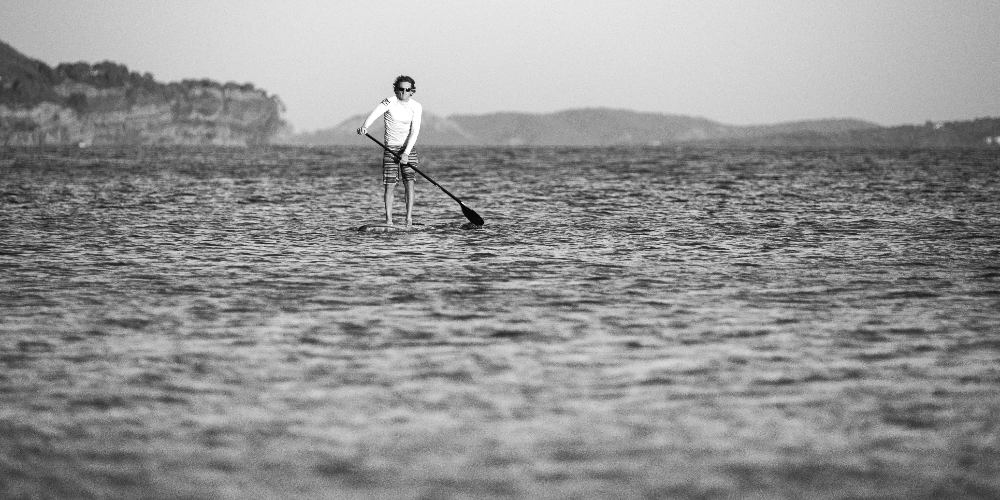
SUP isn’t only about cardio, muscle and mind benefits. As we said before, stand-up paddleboarding typically takes place on beaches, which means you’re surrounded by health-boosting seawater that is believed to be a major body purifier.
Exposure to salt water is supposed to ease dermatitis and dry skin, while the salt in sea air has been shown to help clear your airways, making it easier to breathe. Even better, the time you spend in the sunshine means your body takes in extra vitamin D, which boosts your bone, skin and heart health.
For quality equipment to get you into the sport, browse our stand-up paddleboarding range.
Comments are closed here.